

Why Do My double glazed uPVC Windows Have Condensation? Causes and How to Prevent It
Discover what causes condensation on windows, how to reduce moisture in your home and when misted double glazing may need attention.

Condensation on windows is particularly common during the colder months. You might notice water droplets forming on the glass in the morning, misty patches that keep returning or moisture collecting along the window sill.
But what causes it, and does it mean there's something wrong with your windows?
In most cases, condensation is a result of everyday moisture inside the home meeting a cold surface. Understanding where it forms can help you identify the cause and decide what to do next.
For homeowners in Leicester and across Leicestershire, here's a practical guide to understanding window condensation and keeping your home comfortable.
Why Does Condensation Form on double glazed uPVC Windows?
Everyday activities such as cooking, showering, drying clothes and even breathing release moisture into the air. When warm, moisture-laden air comes into contact with a colder surface, such as a window pane, it cools and releases some of that moisture as water droplets.
This is why condensation is often more noticeable during autumn and winter, particularly first thing in the morning.
The important thing is to understand where the condensation is forming. There are three main types.
The Three Types of Window Condensation
1. Condensation on the Inside
This is the most common type. Water droplets appear on the room-facing surface of the glass, often overnight or early in the morning.
It usually indicates that there's excess moisture in the home, insufficient ventilation or a combination of both.
Occasional condensation isn't necessarily a problem, but if it regularly returns, moisture can collect around frames and window sills, potentially contributing to damp and mould.
2. Condensation Between Double Glazing Panes
If your double-glazed windows look cloudy or misty and you can't wipe the moisture away from either side of the glass, condensation may have formed inside the sealed unit.
Double glazing uses two panes of glass separated by an insulating cavity. If the perimeter seal fails, moisture can enter this space.
This is different from ordinary room side condensation and isn't something you can resolve by improving ventilation. The sealed glass unit may need replacing, although the existing window frame can often remain in place.
3. Condensation on the Outside
You may occasionally notice moisture on the outside surface of your windows, particularly on cool mornings.
This is generally harmless and can actually be a sign of effective thermal insulation. Modern energy efficient glazing reduces heat transfer from inside to outside, meaning the external pane can remain cool enough for moisture in the outside air to condense.
It should usually clear as the temperature changes or the sun warms the glass.

How to Reduce Condensation Inside Your Home
If condensation regularly appears on the inside of your windows, reducing excess moisture and improving ventilation are the best places to start.
Keep your home ventilated
Open windows for short periods throughout the day to allow fresh air to circulate. If your windows have trickle vents, keep them open and unobstructed to provide background ventilation.

Use extractor fans
Switch on extractor fans when cooking, showering or bathing. Allow them to continue running afterwards to remove lingering moisture. If you don't have an extractor, opening a window can help.
Manage moisture when drying clothes
Drying washing indoors releases moisture into the air. Where possible, dry clothes outside or use a properly vented tumble dryer. If drying indoors, choose a well-ventilated room.
Maintain a comfortable temperature
Very cold rooms and surfaces can make condensation more likely. Keeping your home at a reasonably consistent temperature during colder weather can help reduce the problem.
Wipe away excess water
If condensation forms on the glass, wipe it away rather than allowing water to collect on frames and window sills. This helps prevent moisture building up around the window.
For more practical advice, the Energy Saving Trust's guide to home ventilation explains how to improve airflow and manage moisture throughout your home.
Can New Windows Help Reduce Condensation?
Older or inefficient windows can have colder internal glass surfaces, making condensation more likely under certain conditions.
Modern double glazing is designed to improve thermal performance, helping to keep the inner pane warmer and reduce heat loss. This can make condensation less likely, although it won't eliminate the problem if indoor moisture levels remain high.
It's also important to consider ventilation. Replacement windows should provide appropriate background ventilation, including trickle vents where required.
If you're considering upgrading your windows, explore our range of modern uPVC windows and read our guide to how new uPVC windows can help keep your home warmer.
When Should You Be Concerned?
Occasional condensation on the inside of your windows is common. However, there are a few signs worth investigating:
- Water regularly collecting on window frames and sills.
- Mould appearing around windows or on nearby walls.
- Persistent damp or musty smells.
- Cloudiness or moisture that appears between double-glazed panes.
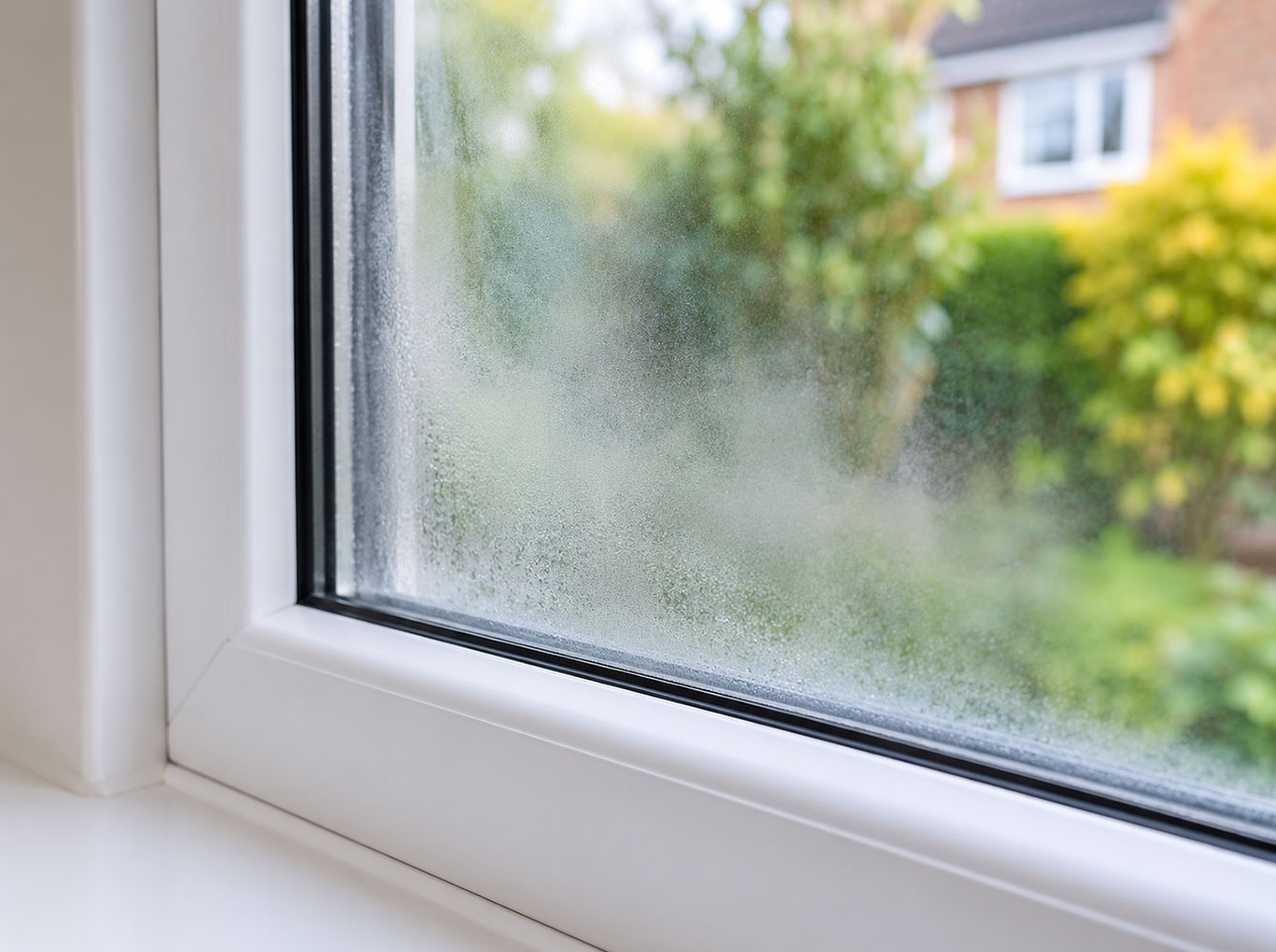
If you notice condensation between the panes, ask a glazing professional to assess the sealed unit. If damp or mould is appearing elsewhere in your home, it's important to investigate the underlying cause rather than assuming replacement windows will solve it.
The Glass and Glazing Federation's condensation guidance provides further information about condensation and how it affects glazing.
A More Comfortable Home Starts with Understanding Your Windows
Condensation is a common issue in homes across Leicester and Leicestershire, particularly during colder weather. In many cases, improving ventilation and managing everyday moisture can make a noticeable difference.
Understanding the difference between condensation on the inside, outside and between the panes is equally important. It helps you recognise whether you're dealing with a household moisture issue or a problem with the sealed glazing unit.
If you're considering replacement windows, Abbey Windows Leicester supplies and installs a range of modern uPVC windows designed to improve the comfort, appearance and performance of your home.
Explore our uPVC window range or contact our local team on 0116 269 6669 for friendly, no-obligation advice.
More from Inspired Spaces


Thinking about your own project?
Whether you’re replacing tired windows or planning a larger renovation, we’re here to help you explore the right options for your property.
Beautifully crafted windows and doors, designed to make your home feel just right.
Chat with us on


